
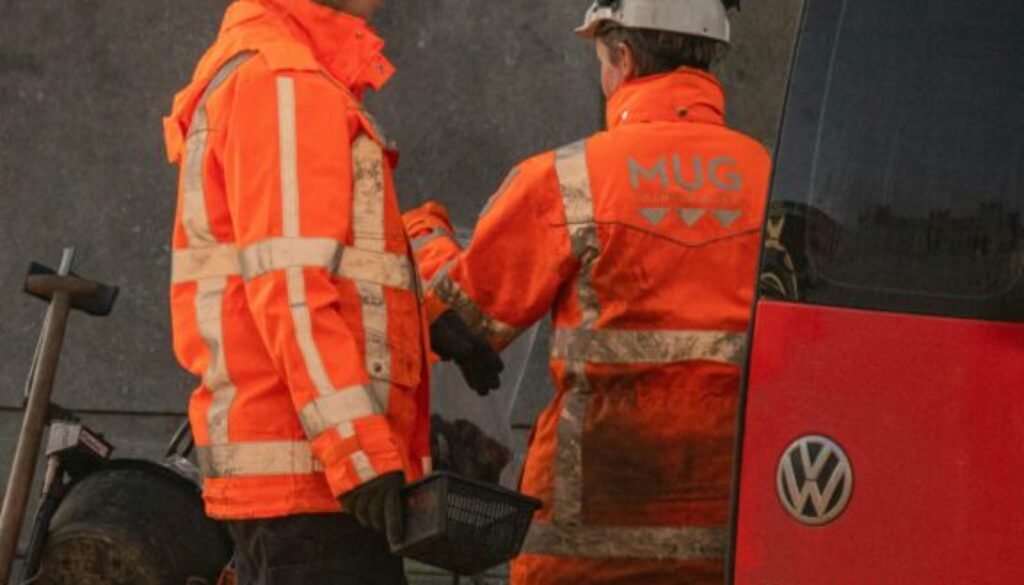
Germany needs foreign workers
Why Germany Needs Foreign Workers and How You Can Benefit
Germany, Europe’s largest economy, has long been a hub for industry, technology, and innovation. However, in recent years, the country has faced a growing shortage of skilled workers across a wide range of sectors, from healthcare and engineering to IT and construction. With an aging population and declining birth rates, Germany increasingly depends on foreign talent to sustain its economic growth and meet the demand for essential services. If you’re considering a career in Germany, this is the perfect time to explore the opportunities and learn why foreign workers are highly valued in the German job market.
Why Germany Needs Foreign Workers
1. Aging Population
- Germany has one of the oldest populations in Europe, with nearly 22% of its citizens aged 65 or older. This demographic trend places significant strain on the labor market, as more workers retire each year than there are new graduates to replace them. The healthcare sector, in particular, is stretched thin, with growing demand for services but too few professionals to meet that need.
2. Skills Shortage Across Sectors
- Germany’s economy relies heavily on specialized industries, including automotive, mechanical engineering, healthcare, IT, and renewable energy. While these sectors are crucial to Germany’s economic success, they are also the ones experiencing the most severe labor shortages. According to recent government estimates, Germany needs around 400,000 additional skilled workers per year to fill open positions across various sectors.
3. Technological Advancements
- Germany’s commitment to Industry 4.0 (the digital transformation of manufacturing) and green energy initiatives has spurred demand for tech-savvy workers and engineers. This transition requires skilled workers in fields like robotics, data science, artificial intelligence, and renewable energy systems, creating opportunities for foreign professionals with these skills.
4. Commitment to Innovation
- Germany’s thriving start-up scene, especially in cities like Berlin, Munich, and Hamburg, has led to a surge in demand for creative and tech-oriented roles. However, local talent often falls short of meeting the needs of these rapidly growing industries. As a result, Germany is increasingly looking beyond its borders to attract international professionals to help drive innovation.
Sectors in High Demand
Germany is actively seeking foreign workers in several key sectors. Here’s a look at the top fields where demand is high:
1. Healthcare
- Why: With an aging population, Germany’s healthcare system is under immense pressure. Hospitals, nursing homes, and outpatient care centers are in dire need of doctors, nurses, geriatric care professionals, and therapists.
- Opportunities: Positions in nursing, elderly care, physical therapy, and general practice are widely available. Many healthcare facilities offer additional language and integration support for foreign healthcare professionals.
2. Engineering and Manufacturing
- Why: Known as the “Land of Engineers,” Germany relies on its engineering sector to maintain its status as a global manufacturing leader. However, there is a shortage of skilled professionals in mechanical, automotive, and civil engineering.
- Opportunities: Automotive giants like BMW, Mercedes-Benz, and Volkswagen are constantly hiring, as are renewable energy and civil engineering firms. Foreign engineers are highly sought after and can expect attractive salaries and benefits.
3. Information Technology (IT)
- Why: Germany’s digital transformation has created a surge in demand for IT professionals in software development, cybersecurity, artificial intelligence, and data analysis.
- Opportunities: Companies across all sectors, from finance to e-commerce, are on the lookout for skilled software engineers, developers, and data scientists. Many multinational companies in Germany use English as their working language, making it easier for non-German speakers to find IT jobs.
4. Renewable Energy and Environmental Science
- Why: Germany’s ambitious “Energiewende” (energy transition) program aims to make the country’s energy supply 100% renewable by 2050. This commitment has created a demand for professionals with expertise in green energy and environmental management.
- Opportunities: Jobs in wind and solar energy, environmental science, and sustainability consulting are growing rapidly. These positions not only offer competitive pay but also provide the chance to contribute to important environmental initiatives.
5. Construction and Skilled Trades
- Why: Germany’s construction industry is booming, driven by urbanization, infrastructure projects, and green building initiatives. However, there’s a shortage of skilled laborers such as electricians, plumbers, and carpenters.
- Opportunities: Germany offers vocational training and apprenticeships for individuals interested in skilled trades. Foreign workers with experience in construction are especially in demand in cities experiencing rapid growth and development.
Germany’s Approach to Attracting Foreign Workers
In recent years, the German government has taken proactive steps to attract international talent. Here’s how:
1. Simplified Visa Process
- Germany has streamlined its visa application process for qualified professionals. The Job Seeker Visa allows individuals to stay in Germany for six months while they search for a job. The EU Blue Card, designed for highly skilled workers, provides a clear path to long-term residence and is available to non-EU nationals who meet specific salary requirements.
2. Recognition of Foreign Qualifications
- To make it easier for foreign professionals to integrate into the job market, Germany has implemented a program to recognize foreign educational and vocational qualifications. This initiative ensures that skilled workers’ expertise is valued and can be transferred to German standards, especially in healthcare and engineering.
3. Language and Integration Support
- Many companies and government programs offer language courses and cultural orientation classes to help foreign workers settle in. Learning German is highly beneficial, as it opens doors to a broader range of opportunities and helps with social integration.
4. Focus on Work-Life Balance
- Germany’s strong work-life balance and employee benefits make it an attractive destination for foreign talent. With mandated paid vacation days, flexible working hours, and robust social security benefits, Germany’s workplace culture is designed to support both personal and professional well-being.
Benefits of Working in Germany
For foreign professionals, working in Germany offers a unique combination of career advancement, financial stability, and cultural enrichment. Here are some key benefits:
- Competitive Salaries and Benefits: Germany offers competitive salaries, particularly in sectors like engineering, IT, and healthcare. In addition to salary, workers enjoy benefits such as health insurance, retirement plans, and parental leave.
- Job Security: Germany’s stable economy provides a high level of job security, with strong labor laws protecting workers’ rights and fair treatment.
- High Quality of Life: Germany is known for its high quality of life, with excellent public infrastructure, healthcare, and education. Cities like Berlin, Munich, and Hamburg are hubs of art, culture, and history, providing plenty of opportunities to explore and enjoy.
- Clear Path to Permanent Residency: For many foreign workers, working in Germany can be a stepping stone to long-term residency and even citizenship. The EU Blue Card program and German work visas offer pathways to permanent residency after a few years of employment.
How to Get Started
If you’re interested in working in Germany, here are a few steps to kickstart your journey:
- Identify the Right Visa: Research Germany’s visa options, such as the EU Blue Card or Job Seeker Visa, and find one that matches your situation.
- Gather Necessary Documents: Prepare a German-style CV, cover letter, and copies of your diplomas and certificates.
- Start Applying: Use job portals like LinkedIn, StepStone, and Indeed.de to find job openings in your field. Tailor each application to meet German expectations.
- Learn Basic German: While not always required, learning German can make it easier to navigate day-to-day life and increase job prospects, particularly outside major cities.
- Prepare for Interviews: German employers appreciate punctuality, professionalism, and a clear understanding of the company. Familiarize yourself with German work culture to make a strong impression.
Final Thoughts
Germany’s need for foreign workers offers exciting opportunities for skilled professionals worldwide. With its well-developed infrastructure, high quality of life, and commitment to innovation, Germany is an ideal place to build a rewarding career. Whether you’re in healthcare, engineering, IT, or renewable energy, Germany’s welcoming policies and streamlined visa options make it easier than ever to contribute to and benefit from its dynamic economy.
So, if you’re ready to take the next step in your career, consider Germany – where your skills and expertise can make a real difference.